Why One Unhealthy Meal Won't Ruin Your Progress
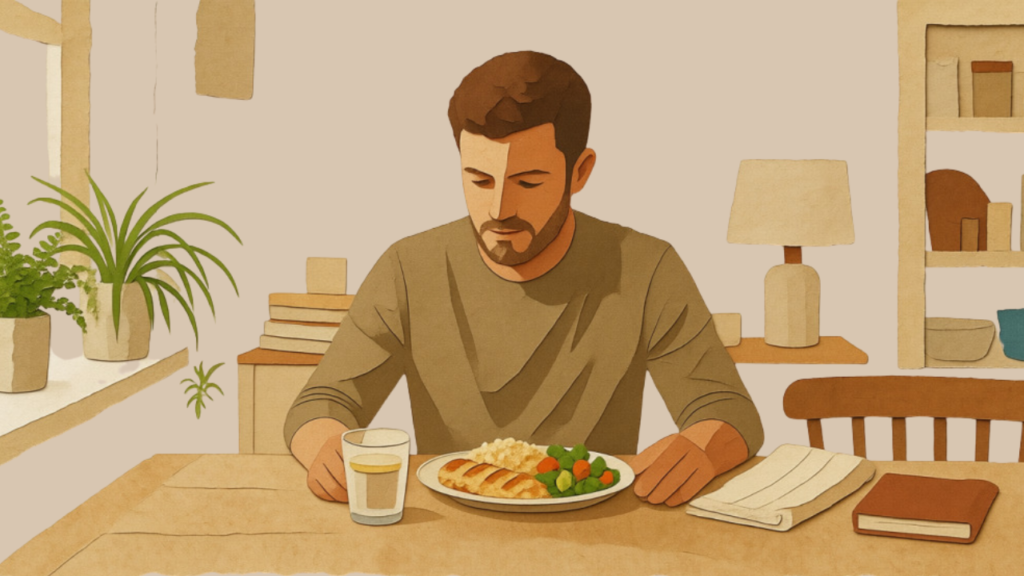
There have been plenty of times when I’ve eaten something I hadn’t planned to. Maybe it was takeaway after a long day, dessert at a family gathering, or one of those evenings where convenience won because I simply didn’t have the energy to cook.
The meal itself usually wasn’t the interesting part.
What I found more interesting was what happened afterwards.
I’d start thinking, “Well, today’s already gone.”
That one thought often did far more damage than the meal ever could.
I don’t think I’m the only one who’s experienced this. Many of us spend so much time trying to build healthy eating habits that one meal we’re not happy with suddenly feels like it undoes everything we’ve worked towards. We stop judging our progress over weeks or months and start judging it by a single plate of food.
Looking back, I don’t think one unhealthy meal was ever the real problem.
The problem was believing it meant I’d failed.
The meal lasted twenty minutes. The guilt sometimes lasted the entire weekend.
Why One Meal Feels Like Such a Big Setback
I think part of the reason is that we often treat healthy eating like a streak.
One good meal feels like a point in our favour. One unhealthy meal feels like we’ve lost all our progress.
But our bodies don’t really work like that.
We don’t become healthier because of one salad, and we don’t suddenly become unhealthy because we enjoyed pizza on a Friday night. A healthy diet is shaped by the choices we make repeatedly, not by one meal that happened to be higher in calories or lower in nutrients than usual.
When you look at it that way, it’s easier to see how much pressure we put on individual meals. We expect every decision to be perfect, even though we know life rarely gives us perfect circumstances.
The "I've Already Ruined It" Mindset
I’ve noticed that the biggest setback rarely comes from the meal itself.
It comes from the story we tell ourselves afterwards.
Once we decide we’ve already failed, making another healthy choice starts to feel pointless. One indulgent meal quietly turns into an entire weekend of eating without much thought because we’re waiting for Monday to “start again.”
The meal didn’t create it.
The mindset did.
I wrote something similar in Eating Healthy On Busy Days, where I realised that healthy eating often becomes harder because we expect ourselves to make perfect choices even when life isn’t perfect. This feels like the same idea from a different angle. One imperfect meal isn’t unusual. Believing it cancels every good choice before it is what makes getting back on track feel so difficult.
Healthy Eating Habits Are Built Through Patterns
One idea that’s helped me think differently is remembering what healthy eating habits actually are.
They’re patterns.
Not isolated moments.
If most of my meals over the course of a week are reasonably balanced, one less nutritious meal doesn’t suddenly erase them. In the same way, one healthy meal doesn’t automatically create a healthy diet if the rest of my week looks completely different.
That perspective feels much more realistic because it’s how almost every long-term habit works.
The same thing applies to exercise. If you’ve ever worried that missing one workout meant you were falling behind, you might enjoy One Missed Workout Isn’t the Problem, where I explored why consistency matters far more than perfect attendance. Nutrition follows a very similar pattern. Progress comes from returning to your routine, not from never stepping away from it.
What Helped Me Stop Overreacting to One Meal
I’m still learning this myself, but one small shift has made these situations feel much less dramatic.
Instead of asking whether I’d ruined my progress, I started asking a much simpler question.
“What would I normally eat next?”
That question quietly removes the pressure to make up for anything.
It isn’t about skipping the next meal, trying an extreme diet, or promising to be perfect for the rest of the week. It’s simply about returning to the kind of healthy eating I was already trying to build before that one meal happened.
I’ve found that this approach feels much easier to sustain because it treats an unhealthy meal as part of life instead of treating it like a personal failure.
Ironically, that’s often what helps healthy eating become more consistent. The less energy I spend feeling guilty about one meal, the easier it becomes to make a better choice the next time I’m hungry.
Progress Over Perfection
The longer I spend trying to build healthier eating habits, the more I realise that progress is rarely decided by one meal.
It’s decided by what happens after it.
Anyone can have an unexpected takeaway, enjoy dessert at a celebration, or eat more than they planned on a stressful day. Those moments are part of living, not proof that you’ve failed.
What matters is whether that one meal becomes the reason you stop trying altogether.
For me, that’s what the Progress Over Perfection philosophy has gradually come to mean. Progress isn’t about creating a life where every meal is perfectly balanced. It’s about creating healthy eating habits that are flexible enough to survive birthdays, busy weeks, holidays, cravings, and ordinary human moments.
One unhealthy meal doesn’t define your progress.
Coming back to your usual routine does.
Because healthy eating isn’t built by never making imperfect choices. It’s built by never letting those choices convince you to stop.