
Protein Myths I Used To Believe
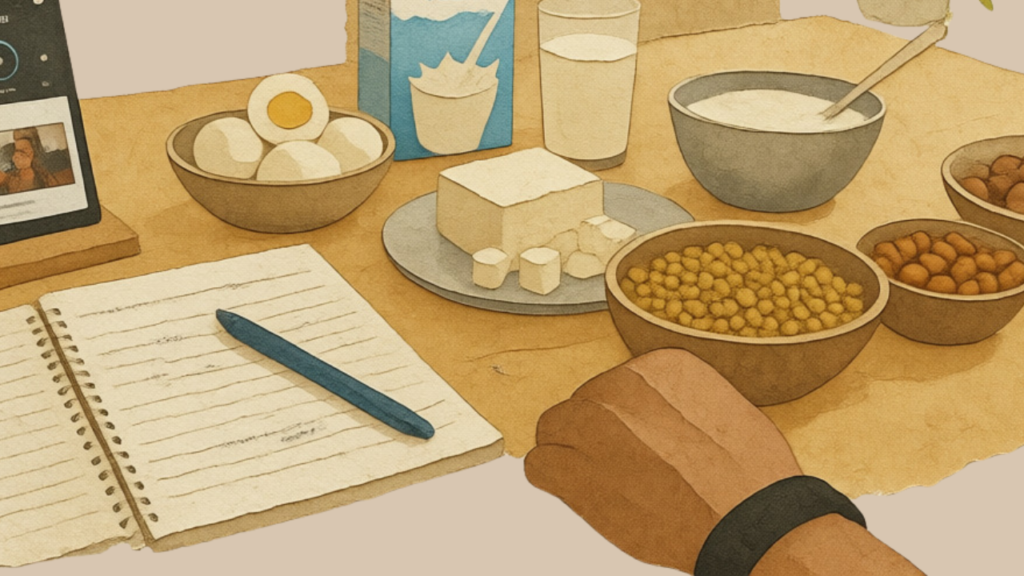
For a long time, I didn’t think much about protein.
I knew people at the gym talked about it. Fitness creators talked about it. Every nutrition video seemed to mention it at some point. But beyond that, I never really paid much attention to how much protein I was eating or where it was coming from.
Part of the reason was that I had quietly accepted a few assumptions that turned out to be wrong.
Nothing dramatic. Just small ideas that sounded true enough that I never bothered questioning them.
The funny thing is that many of those assumptions made eating better seem much more complicated than it actually needed to be.
I Thought Protein Was Only Important For Bodybuilders
This was probably the biggest misconception I had.
Whenever I heard people discussing protein intake, I automatically pictured bodybuilders, athletes, or people spending hours in the gym every day. It felt like something that belonged to a completely different world.
Because of that, I never really thought about whether regular people should care about protein too.
The more I started reading and paying attention, the more I realized that protein isn’t only for people chasing massive physiques. It’s simply one of the nutrients our bodies use every day. Whether someone is trying to get fitter, stay active, or just improve their overall nutrition, protein still plays a role.
That realization sounds obvious now, but it genuinely changed the way I looked at food.
I Thought High Protein Foods Had To Be Expensive
For a while, I assumed eating more protein automatically meant spending a lot more money.
Maybe that’s because the internet often focuses on supplements, fancy meal plans, and expensive products. When those things become the face of nutrition, it’s easy to believe that eating enough protein requires a bigger budget.
What surprised me was discovering how many affordable protein foods already exist.
Eggs, milk, curd, paneer, soya chunks, lentils, roasted chana, and several other protein rich foods are already part of everyday diets for many people. They may not look exciting compared to products marketed online, but that doesn’t make them less useful.
That realization made nutrition feel much more practical.
I Thought Supplements Were Mandatory
This is another belief I held for longer than I’d like to admit.
Whenever people discussed protein, the conversation often seemed to end with protein powder. Because of that, I started assuming supplements were a requirement rather than an option.
The reality turned out to be much less dramatic.
Supplements can be useful in certain situations, but they’re called supplements for a reason. They supplement a diet. They don’t replace the basics.
Most of the time, the bigger challenge isn’t finding the perfect supplement. It’s building meals around enough high protein foods and developing habits that are realistic enough to maintain consistently.
At least that’s what I’ve started noticing while trying to improve my own eating habits.
The Internet Made Protein Feel More Complicated Than It Is
One thing I’ve noticed about nutrition in general is that simple ideas often get buried under endless advice.
Every week there seems to be a new rule, a new debate, or a new reason why you’re apparently eating everything wrong.
After a while, it’s easy to feel overwhelmed.
Protein ended up feeling much simpler once I stopped searching for perfect answers and started paying attention to the basics. Instead of worrying about the ideal meal plan, I began asking a simpler question:
“Am I regularly including enough protein foods in my meals?”
That approach wasn’t exciting.
But it felt realistic.
And realistic habits usually last longer than ambitious ones.
Progress Over Perfection
I’m definitely not writing this as someone who’s mastered nutrition.
If anything, I’m still figuring out what works for me and learning along the way.
But one thing I’ve realized is that improving your diet doesn’t always require dramatic changes. Sometimes, it starts with questioning a few assumptions and keeping things simpler than the internet makes them seem.
There will always be more advice to read, more opinions to compare, and more things to optimize.
The challenge isn’t learning everything.
The challenge is taking what you already know and applying it consistently enough to make a difference.
And honestly, that’s probably true for more than just nutrition.
Because most progress doesn’t come from finding perfect information.
It comes from doing the basics often enough that they finally start adding up.