
Why Fitness Results Feel Slower Than They Actually Are
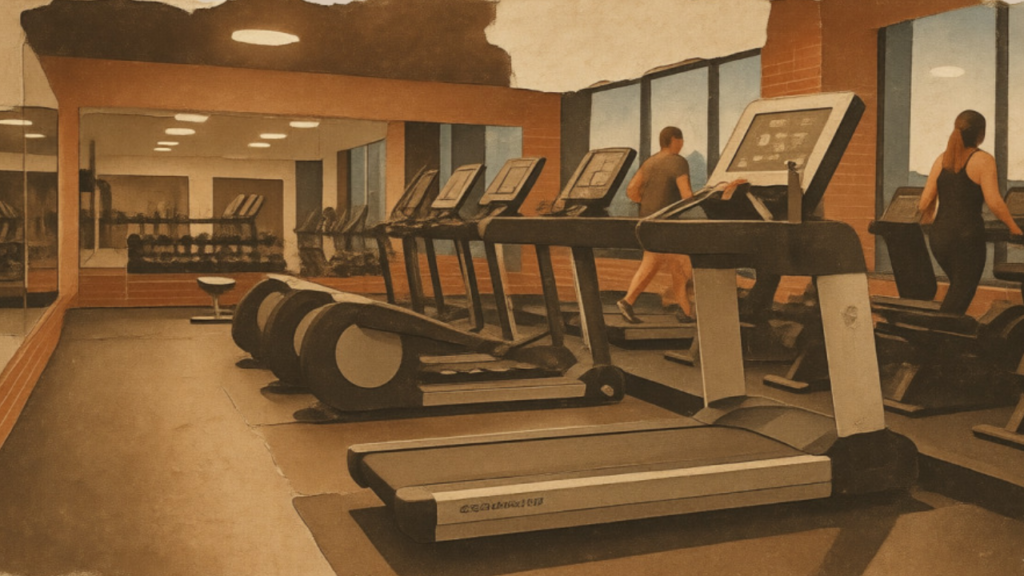
A few weeks after I started taking fitness more seriously, I remember feeling frustrated for a reason I didn’t expect.
The workouts themselves weren’t the problem. I could handle being tired, a little sore, or having to push myself. What bothered me was the feeling that I was putting in effort without having much to show for it. I’d finish a workout, try to make slightly better food choices, and then find myself looking for proof that something was changing.
Most of the time, I couldn’t find any.
The mirror looked the same. The scale barely moved. And because of that, it started to feel like all the effort was happening in one direction while the results were taking their time to catch up.
Looking back, I don’t think the problem was a lack of fitness progress. The problem was that I expected progress to be much easier to notice than it actually is.
We Expect Results To Arrive Faster Than They Do
I think a lot of beginners walk into fitness with expectations they don’t even realize they have.
We see transformation photos, dramatic before-and-after videos, and stories where months of work get compressed into a few seconds. Even if we know those things don’t tell the full story, they still influence the way we think. Somewhere in the back of our minds, we start expecting fitness results to feel obvious after a few weeks of effort.
Real life tends to be less dramatic.
Most days don’t feel transformational. You finish a workout, go home, and continue with the rest of your day. The next morning you wake up looking pretty much the same as you did yesterday. Then you repeat the process again and again.
The strange thing is that this is exactly what progress often looks like. It’s usually slower, quieter, and far less exciting than we imagined.
The Mirror Is A Terrible Scoreboard
One thing I’ve started noticing is that we’re often the worst people at measuring our own progress.
When you see yourself every day, it’s incredibly difficult to notice small changes. Imagine watching a plant grow. If you looked at it once a month, the difference would probably be obvious. If you stared at it every morning, you’d convince yourself nothing was happening.
Fitness works in a similar way.
Most of us check constantly. We look in the mirror, step on the scale, compare photos, and search for signs that our efforts are paying off. The problem is that meaningful gym results don’t happen on a daily schedule. They happen through dozens of small decisions repeated over long periods of time.
Because those changes are gradual, they’re easy to miss while they’re happening.
Fitness Progress Doesn't Always Look Like The Mirror
Before I started paying more attention to fitness, I assumed progress would mostly be something I could see.
What surprised me was realizing that some of the earliest signs of improvement had very little to do with appearance. A workout that used to feel exhausting became manageable. Walking a little further felt easier than before. Exercises that seemed impossible a few weeks earlier slowly became part of a normal routine.
None of those things felt dramatic in the moment.
In fact, they were easy to overlook because they didn’t look like the fitness results I thought I was supposed to be chasing. Looking back, though, those small improvements were often the first signs that something was changing.
The problem wasn’t that progress was absent. The problem was that I was only looking for one type of progress.
When Fitness Motivation Starts To Fade
This is usually the stage where things become challenging.
At the beginning, fitness motivation is everywhere. You feel excited about new goals, new routines, and the possibility of becoming a healthier version of yourself. Showing up feels easier because everything still feels new.
Eventually, that excitement starts to fade.
The workouts become normal. The novelty disappears. Progress feels slower than expected, and that’s usually when doubts begin showing up. You start wondering whether you’re doing enough or whether everyone else is seeing results faster than you are.
I’m definitely not writing this as someone who’s mastered that stage. If anything, I’m still figuring it out myself. But the more I pay attention, the more I feel that long-term fitness progress depends less on staying motivated and more on staying consistent after the motivation begins to fade.
Progress Over Perfection
For a long time, I thought fitness would become easier once I started seeing obvious results.
Now I’m starting to think it works the other way around. The difficult part is continuing before the results become obvious. It’s trusting that small efforts are adding up even when you can’t see the full picture yet.
There are still days when I wish progress happened faster. There are still moments when I wonder whether I’m doing enough. But the more I pay attention, the more I realize that most worthwhile things take longer than we’d prefer.
Maybe that’s why fitness results feel so slow.
Not because nothing is happening, but because we’re expecting progress to arrive all at once when it usually arrives one small step at a time. And if that’s true, then the goal probably isn’t to chase perfect results.
The goal is simply to keep showing up long enough to give those results a chance to appear.